Coaching Supervision like other professions has been shaped by many different theoretical perspectives. While there are many differing views, there is, as yet no common definition of coaching, and even less clarity about what coaching supervision entails. In this five part blog, a number of the main theories will be explored along with their relevance to coaching supervision.
Psychodynamic approaches to supervision explores the conscious and unconscious dynamics that are present between coach and supervisor seeking to bring emotional drivers to the surface so they can be understood and addressed (Capuzzi & Gross, 2011:65). Issues such as power, process, transference and counter-transference are core themes in Psychodynamic supervision. Transference is “the process of attributing one’s feelings from one person to another” (Capuzzi & Gross, 2011:64) while counter-transference is a process of “redirecting the counsellor’s feelings towards the client or emotional entanglement” (Capuzzi & Gross, 2011:64).
Salter (2008) argues that “coaching is not a therapy” (Salter, 2008:32), and while an understanding of psychodynamic theory is helpful for the coaching supervisor, core focus of coaching supervision, as in coaching, is to help the supervisee focus on goals and solutions that will help them move forward or take a new approach to dealing with their coaching client.
The coaching supervisor, unlike the therapeutic supervisor, while recognising that such emotions are present, may not need to understand or address the underlying emotions that may play out for the coaching practitioner and if such issues are present should consider referring their client to a trained psychotherapists or counsellor.
Part 2 will focus on a Cognitive-Behavioural approach to supervision and how our thinking process shapes behaviour, and this theme will be continue through each of the areas in the model below.
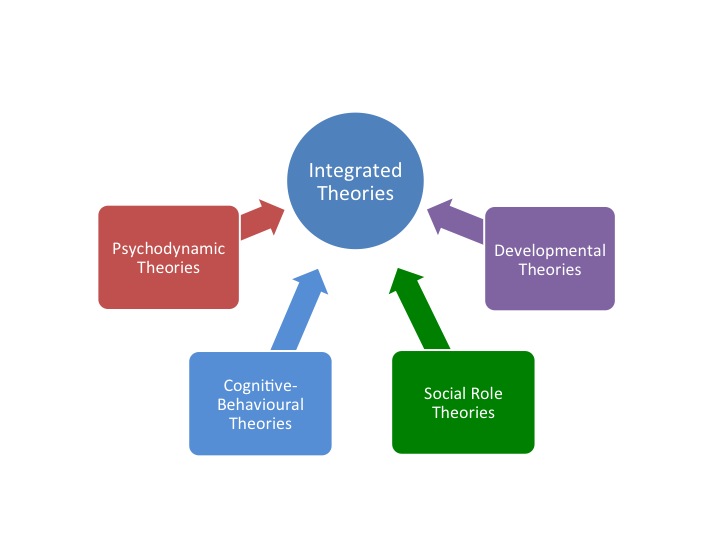
Supervision Theories
 mike armour